PF Nav/HeadImage

PennFuture Facts :: brief, interesting looks at topical environmental issues PennFuture Facts :: brief, interesting looks at topical environmental issues
Showing posts with label rivers. Show all posts

Wednesday, June 10, 2015

Pittsburgh, a resilient city

Point State Park in Pittsburgh at Sunset
Point State Park at Sunset
From steel, to collapse, to a diverse knowledge and health-based economy, Pittsburgh has come to embody the definition of a resilient city. Our growing economy alone doesn't make this the vibrant city that it is, however. Pittsburgh’s rivers, trees and the air we breathe impact our health and well being. As climate change exacerbates bad air on hot days and brings more intense storms and extreme cold, protecting our environment will mean protecting our neighborhoods. Smart policies and planning now can turn environmental threats into impetus for bolstering healthy and cohesive communities.

That is what the Rockefeller Foundation saw in our city when they selected Pittsburgh to be one of only 100 Resilient Cities, worldwide. 

100 Resilient Cities provides resources and guidance for an active network of urban hubs throughout the world. The first group of 32 cities began work in December 2013 and the second group was announced in December 2014. Of the 331 applications for the second round, Pittsburgh was one of 35 to be selected and PennFuture is thrilled to be part of the local collaboration to make our city stronger.

On June 6, we met with other stakeholders from the private, public, and nonprofit sectors for an agenda-setting workshop. The conversations were eclectic and electric, and centered around key urban concerns (both chronic and acute), many of which overlap with our environmental efforts, including:
  • Infrastructure failure and flooding concerns (in addition to safety concerns, flooding equals raw sewage in our streams and rivers -- where we boat, swim and get our drinking water).
  • Hazardous materials accidents (oil bomb trains, anyone?
  • Heat waves (unhealthy ozone pollution is expected to get worse as summers get hotter)
  • Significant environmental degradation (clean air, clean water and healthy land: the building blocks of life
With our own holistic mission to create a just future where nature, communities and the economy thrive, we at PennFuture are very excited about Pittsburgh’s participation in the 100 Resilient Cities effort. It makes sense and the time is ripe.

Nicole Catino is PennFuture's 2015 Student Conservation Association Green Cities Sustainability Fellow and is based in Pittsburgh.

Wednesday, January 15, 2014

A tale of caution for a precious resource

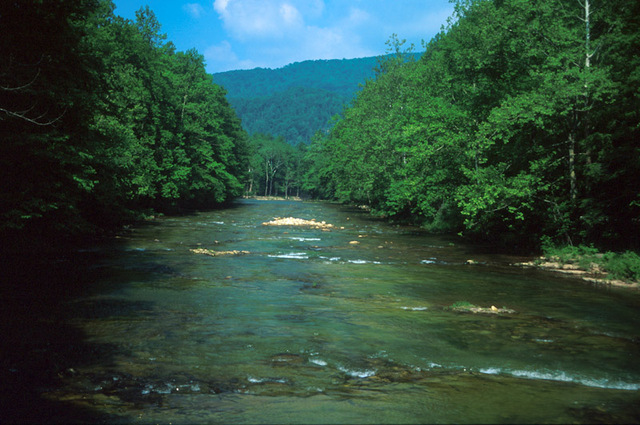
Last week's major chemical spill into West Virginia's Elk River cut off water to 300,000 people. West Virginians could not drink, shower or wash clothes with their water.
Elkriver-def01_up-2_standard
West Virginia's Elk River
It is estimated that 1,200 gallons of a chemical, 4-methyl-cyclohexane-methanol or MCHM, was released from a tank. So little information is known about the chemical that state officials had to rely on the Centers for Disease Control for advice on whether and when the water would be safe for use. NPR reported that toxicologists were relying on their knowledge of the chemical makeup of the compound, and a single study that established lethal doses for rats, to make judgments about when it was safe to drink the water.

According to PennFuture friend Angie Rosser, executive director of the West Virginia Rivers Coalition, the state has yet to explain why the storage facility was allowed to sit on the river and so close to a water treatment plant that is the largest in the state. The facility had not been inspected by the state or federal government since 1991. The area where the spill occurred is known to West Virginians as "Chemical Valley."

The company responsible for the spill, Freedom Industries, reportedly supplies "environmental chemistries and services" to the coal industry. According to the American Association of Poison Control Centers, the chemical spilled is harmful if swallowed or inhaled. MCHM can cause eye and skin irritation, nausea, and vomiting. The EPA has no drinking water standard for MCHM.

Pennsylvanians should not consider themselves immune from such incidents. In 1988, a new storage tank at an Ashland Oil facility along the Monongahela River collapsed, pouring an estimated one million gallons of diesel oil into the river, and threatening drinking water for 750,000 Pittsburgh-area residents. As with the West Virginia spill, a dike around the tank failed to contain the spill.

As proposals are made to build up a petro-chemical industry on Pennsylvania's rivers that rivals Louisiana's Chemical Corridor, the West Virginia spill is a reminder that regardless of how plentiful our fresh water, it remains a precious and fragile resource in need of protection and conservation.

George Jugovic Jr. is chief counsel for PennFuture and is based in Pittsburgh.