

 |
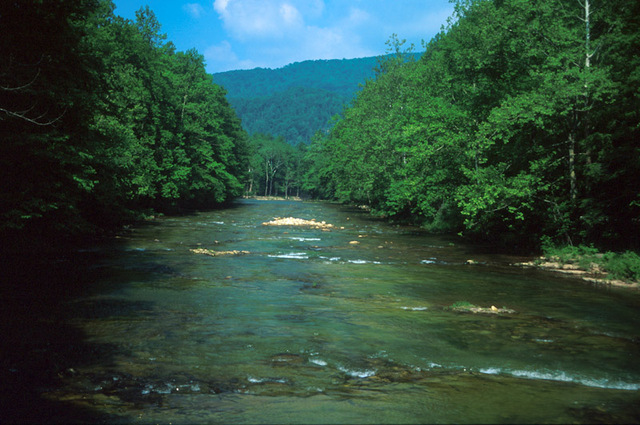
| West Virginia's Elk River |
According to PennFuture friend Angie Rosser, executive director of the West Virginia Rivers Coalition, the state has yet to explain why the storage facility was allowed to sit on the river and so close to a water treatment plant that is the largest in the state. The facility had not been inspected by the state or federal government since 1991. The area where the spill occurred is known to West Virginians as "Chemical Valley."
The company responsible for the spill, Freedom Industries, reportedly supplies "environmental chemistries and services" to the coal industry. According to the American Association of Poison Control Centers, the chemical spilled is harmful if swallowed or inhaled. MCHM can cause eye and skin irritation, nausea, and vomiting. The EPA has no drinking water standard for MCHM.
Pennsylvanians should not consider themselves immune from such incidents. In 1988, a new storage tank at an Ashland Oil facility along the Monongahela River collapsed, pouring an estimated one million gallons of diesel oil into the river, and threatening drinking water for 750,000 Pittsburgh-area residents. As with the West Virginia spill, a dike around the tank failed to contain the spill.
As proposals are made to build up a petro-chemical industry on Pennsylvania's rivers that rivals Louisiana's Chemical Corridor, the West Virginia spill is a reminder that regardless of how plentiful our fresh water, it remains a precious and fragile resource in need of protection and conservation.
George Jugovic Jr. is chief counsel for PennFuture and is based in Pittsburgh.
